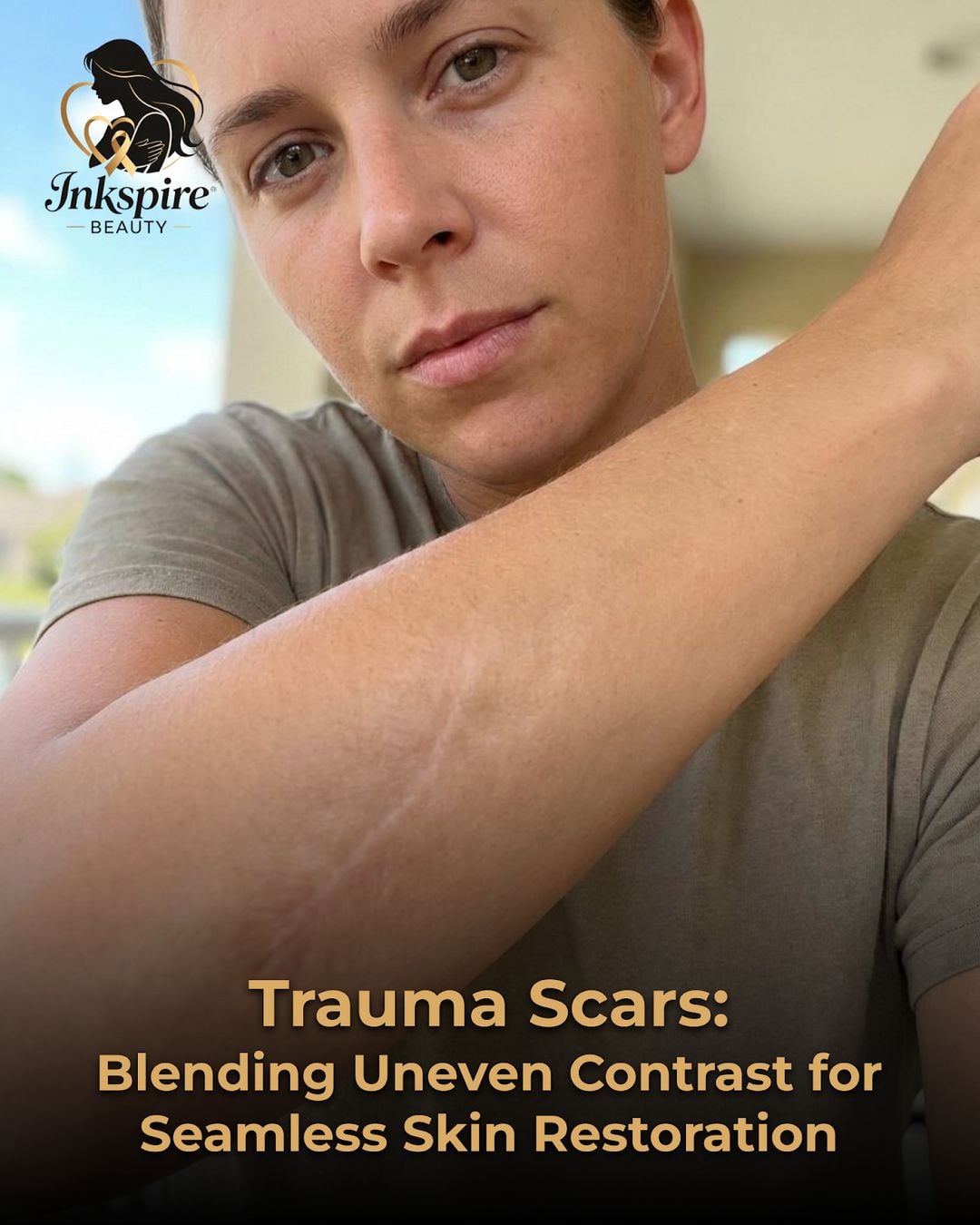

Trauma Scars: Blending Uneven Contrast for Seamless Skin Restoration
Scars from trauma can be a constant reminder of past injuries. For many people, these scars create feelings of self-consciousness, affecting their confidence and daily interactions. Trauma scars may appear discolored or raised compared to the surrounding skin, making them even more noticeable in certain situations.
Living with these scars could mean avoiding certain clothing styles, feeling anxious in social situations, or being overly aware of one’s appearance. This can be frustrating, especially when you want to present yourself confidently to the world.
Every scar tells a story, but for some, the desire to tell a different story is strong. The good news is that there are effective ways to blend the uneven contrasts of trauma scars with the surrounding skin, making them less noticeable and helping people feel more comfortable in their skin.
Understanding Trauma Scars
What Are Trauma Scars?
Trauma scars are marks left on the skin after an injury heals. They can vary in size, shape, and color depending on how deep or severe the injury was. Sometimes, the body produces too much collagen during the healing process, leading to raised scars called hypertrophic scars or keloids.
Common Feelings and Frustrations
- Feeling self-conscious or embarrassed about the appearance of scars.
- Avoiding certain activities or clothing to hide scars.
- Frustration over scars not fading as expected over time.
- Comparing scars to the skin’s surrounding appearance.
While scars can fade naturally over time, they may not always blend seamlessly with the surrounding skin, which is where treatments come in handy.
Blending Techniques and How They Work
Treatments to Improve Skin Tone Evenness
There are various treatments designed to improve the appearance of trauma scars by evening out skin tone and texture. These techniques focus on blending scars to match the surrounding skin better.
- Topical Creams: Special creams can help lighten scars or reduce their redness, gradually blending the contrast between the scar and regular skin.
- Microneedling: Tiny needles create micro-injuries, prompting the skin to produce new collagen and elastin, which helps improve skin texture and tone.
- Dermabrasion: A method that sands down the top layers of skin, which encourages new, smoother skin to grow.
- Chemical Peels: These exfoliant solutions remove the top layer of skin, allowing a new, more evenly toned skin surface to replace it.
These treatments aim to make scars less visible and promote a smoother, more balanced complexion.
How These Treatments Make Life Easier
The goal of any scar treatment is to improve how the affected skin looks and feels. When scars blend better with the surrounding skin, it can greatly enhance a person’s confidence and self-esteem.
Benefits of Blending Treatments
- Skin that appears more consistent and uniform.
- Reduced visibility of scars, making them less noticeable.
- Boost in confidence when wearing different clothing styles.
- Feeling more relaxed and assured in social settings.
Each treatment option improves comfort in one’s skin, allowing individuals to feel better while interacting with others.
Personalized Care for Best Results
Customized Treatment Plans
The effectiveness of scar treatments often depends on how well they are tailored to an individual’s specific needs. Professional clinics assess the type, size, and location of scars to boost results. Personalized treatment plans ensure the care is unique, focusing on what will work best for each person.
It’s important to find a reliable provider to guide you through the best treatment options for your scars. This expertise increases the chance of seeing improvements and achieving the seamless skin restoration goals you seek.
Conclusion
Trauma scars can impact self-esteem, but with the right techniques, they can blend more seamlessly into the surrounding skin. Whether it’s through topical treatments, microneedling, or other professional approaches, the goal is to improve the appearance of scars and, in turn, restore confidence.
A life with less visible scars allows individuals to embrace more freedom, choice, and assurance in their daily lives. With professional guidance, those living with trauma scars can experience the positive transformation they desire, feeling more connected to their best selves.