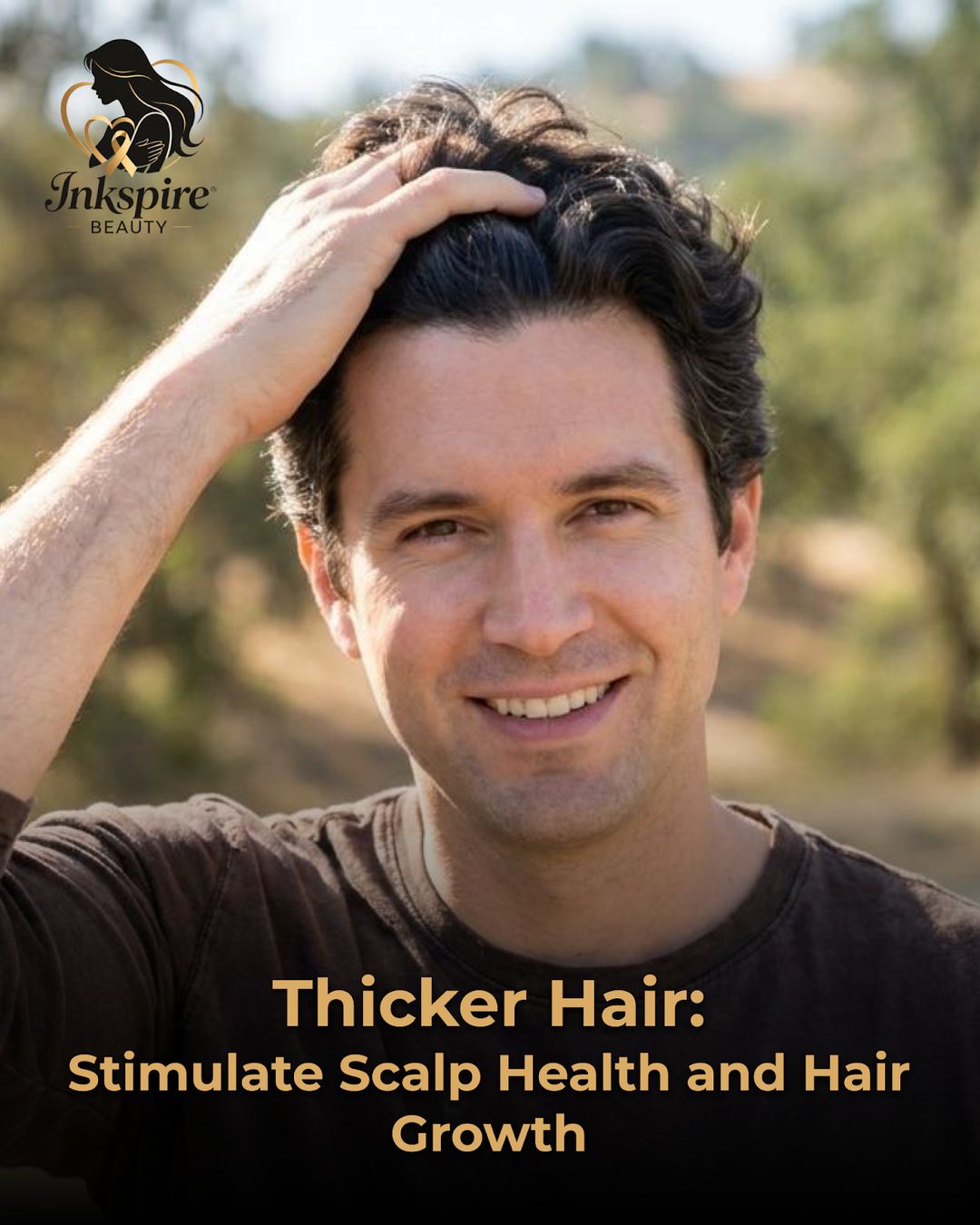

Thicker Hair: Stimulate Scalp Health and Hair Growth
Dealing with thinning hair can feel really frustrating. You look in the mirror and see your hair isn’t as thick as it used to be, which can make you feel less confident and even worried about how you look. Thinning hair can happen to anyone and for lots of reasons like genetics, stress, or just getting older.
Sometimes, people feel sad because their hair doesn’t match how young they feel inside. Others might spend a long time trying to style their hair to make it look fuller or cover up bald spots. This can get tiring after a while and make you wish there was an easy solution.
Understanding Thinning Hair and Its Impact
Thinning hair happens when the hair follicles on your scalp shrink over time, making hair thinner and sometimes causing it to stop growing altogether. This can result in less hair overall and can affect anyone, male or female. It often starts with noticing more hair in the shower drain or on your hairbrush, which can be quite worrying.
Feeling anxious about thinning hair is common. You might worry about others noticing, or you might try out lots of products that promise thicker hair but don’t deliver. Sometimes, it’s not just about how you look but how you feel inside too. You might miss having the thicker hair that made you feel confident and stylish.
Reasons Why Hair Becomes Thin
- Genetics: Family history can play a big role in hair thickness.
- Age: As you grow older, your hair growth cycle can slow down.
- Stress: Having lots of stress can lead to hair loss.
- Poor Diet: Not getting enough nutrients can affect hair health.
- Hormonal Changes: Changes in hormones can impact hair growth.
Improving Scalp Health for Thicker Hair
Scalp health plays a huge role in how thick your hair is. A healthy scalp can help promote hair growth, leading to fuller and more luscious locks. To take care of your scalp, start by using a mild shampoo that doesn’t strip away all the natural oils. These oils are important because they keep your scalp moisturized and healthy.
Regularly massaging your scalp can also help. It increases blood flow to your hair follicles, which can encourage hair growth. Massages don’t have to be professional; you can simply use your fingertips to gently rub your scalp in circles. Doing this not only helps with blood circulation but can also be a relaxing part of your day.
Balanced Diet for Healthy Hair
What you eat matters a lot when it comes to hair health. Eating a balanced diet ensures that your body has all the nutrients it needs to nurture your hair. Foods rich in vitamins and minerals, like leafy greens, nuts, fish, and eggs, can provide the essential nutrients your hair needs to stay strong and healthy.
Iron, zinc, and biotin are particularly important for hair growth. These nutrients can be found in foods like spinach, legumes, and avocados. Drinking plenty of water is also crucial because staying hydrated helps in maintaining healthy hair growth.
Products That Can Help
There are many products out there designed to help with thinning hair by improving scalp health and promoting hair growth. Look for shampoos and conditioners formulated for thinning hair, as these often contain ingredients like keratin and biotin that help strengthen hair.
Some products also focus on revitalizing the scalp. These might include oils or serums that are applied directly to the scalp to stimulate the hair follicles. Always read the labels and try to choose products that have good reviews and are recommended by hair care professionals.
Routine Changes for Better Hair
- Gentle Hair Care: Be kind to your hair. Avoid brushing it too harshly, especially when wet.
- Reduce Heat Styling: Limit the use of hair dryers, straighteners, and curling irons which can damage hair.
- Regular Trims: Regularly getting your hair trimmed can minimize split ends and help your hair look fuller.
- Sun Protection: Protect your scalp from too much sun exposure, which can dry out hair and scalp.
Creating a Hair-Friendly Environment
Maintaining a clean and nourishing environment for your hair can make a big difference. Make sure to sleep on a silk pillowcase to reduce hair friction, which can help in reducing breakage. Environmental factors like pollution can also affect your hair, so washing your hair regularly to remove dirt and pollutants can help keep your scalp healthy.
Try to avoid putting too many chemicals on your hair, such as those found in heat-styling protectants or hairsprays full of alcohol. These can dry out your hair and scalp, making it harder for your hair to grow back thick and healthy.
Staying Empowered Through Hair Challenges
It’s important to remember that you are not alone in dealing with thinning hair. Many people experience the same issues, and the good news is that with the right steps, you can work towards thicker and healthier hair. Being proactive and consistent in your hair care routine can make a big difference.
Don’t be discouraged by setbacks; it takes time to see results. Keep focusing on maintaining a healthy scalp and a balanced lifestyle. With time and care, you can achieve the thicker hair you desire and regain confidence in your appearance.